



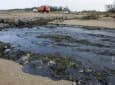
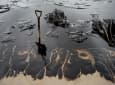
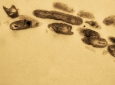

As long as we continue to enjoy the vast benefits brought to our lives by our consistent utilization of oil, we will constantly be at periodic risk of experiencing the occasional, accidental oil spill.
All oil spills are bad, but logically those occurring near the coastline are potentially far more devastating, simply because of the vast animal and plant life placed in eminent danger! Coastal areas are home to far more concentrated and diversified populations of marine and land life than is found in the greater depths of the sea.
However, if not properly dealt with immediately, even spills out in the deepest parts of the ocean can, over time, impact “all” marine as well as coastal life as tides, the wind, currents and other environmental circumstances spread the contamination all the way to distant shores.
Crude oil spills can harm wildlife in three very distinct ways:
(1) Poisoning By Ingestion. Many animals that instinctively “preen” themselves in an effort to clean away the contaminant will ingest the oil and become ill, usually dying from the poisoning. Fish and other living creatures and organisms that live in the water are poisoned as the soak in the oil that has sullied their natural living environment.
(2) Negative Health Effects From Direct Contact. The oil gets all over their bodies, coating them in a nasty “slick” that can cause cases of suffocation or inability to cool down and they die from heat stroke. Creatures encrusted with bulky coats of oil are now unable to effectively escape their prey or chase down food, so the entire food chain is knocked out of whack. Many animals will simply die from the toxic fumes or poison seeping into their bloodstream by osmosis through their skin.
(3) Destruction Of Natural Wildlife Habitats. On land, there is suddenly no fresh, drinkable water and plants that once supplied numerous animals with food are now unable to grow and produce nourishment. Fields and forests are depleted, wiping out the homes of numerous species and destroying all protection from the elements, from extreme heat to bone chilling cold.
In the water, Spawning grounds are utterly polluted and everything once alive and a part of the natural cycle of life is suddenly diseased, dying or dead. Like knocking over the first of a long string of dominoes, the entire chain of life collapses in upon itself.
So what are our options for cleaning this terribly unfortunate mess up/ There are four standard choices we have available to us, depending on the type of oil spilt, the location and weather conditions involved.
(A)Leave It To Nature: If there are no serious concerns about the local wildlife and environmental concerns, there is the option of simply leaving the oil alone and allowing it to naturally break down by itself. As long as there is no discernable risk of potentially polluting coastal regions or marine life, it is often considered most effective and economical to simply allow nature to take its course.
The ocean is nature’s most effective cleanser and purifier. As long as there are no great and immediate dangers deemed at risk, the combination waves, currents, tides, wind, sun, salt and sand will effectively disperse and evaporate most oils.
(B) Booms & Skimmers: If there are specific environmental risks that are considered serious, or there is reason to believe that a high percentage of the oil can be effectively contained, controlled and recovered, then buoyant “booms” can be utilized to surround and contain the oil from dispersion while it is being collected. Some “booms” are made of an inflatable neoprene tubing filled with air while others are made of various solid materials that float.
They can then use “skimming” equipment to collect the oil from the oils surface, since oil will initially float on the surface of the water for a period of time until it begins to break down by the natural effects of the waves, sun, salt and currents. Various types of booms are used to both “surround and isolate the oil slick” or to effectively blockade the oil from passing through and contaminating specifically targeted areas such as spawning grounds, desalination plants, or other environmentally sensitive areas.
Meanwhile, once the “skimmers” are activated, they effectively float across the top of the oil slick contained within the boom and either suck or scoop the oil into storage tanks held on nearby vessels or on the shore. As long as the waves and the winds don’t pick too much intensity, this is a highly effective method of slick cleansing and recovery.
(C) Usage Of Chemical Dispersants: Sometimes there simply is no way to recover the oil in time before the ocean currents and winds begin to spread the contamination well beyond the original spill zone. In this case, “dispersants” are used to help break up and break down the oil and quicken the process of its natural biodegradation.
These dispersants work by reducing “surface tension” that normally stops the proverbial “oil and water” from being able to mix. This creates small, minute droplets of oil that are much faster diluted and eventually dissolved by the movement and agitation naturally created by the world’s largest “washing machine!”
Such dispersion and dilution of the oil slick automatically increases the area over which the spill is spread, naturally increasing the exposure to water agitation, evaporation and biological effects of organic bacterial interactions, which include breaking the oil down and in some cases, actually feeding off of it.
ADVERTISEMENT
This methodology is most effective within a few hours of the spill and should be avoided in locations where sub-tidal seafood, marine organisms, coral reefs and sea grasses are in abundance, as this dissipation process can poison these particularly fragile environments.
(D) Biological Agents To The Rescue: We have thankfully now learned highly effective methods of introducing “biological agents” to oil slicks that quite efficaciously break the oil up and allow natural processes of biodegradation to do their work much faster than would occur if nature, unassisted by man, were simply allowed to do it’s own housework.
This “bio-chemically” alters the components of oil spill in such a way as to be a lot more easily and quickly broken down by bacteria and other natural microorganisms into a safe and harmless substance made up of simple fatty acids and carbon dioxide.
This is by far the most natural yet effectively active form of biodegradation. This natural process will additionally be sped up by adding certain helpful fertilizing nutrients, such as phosphorous and nitrogen, which automatically stimulate the rapid and effective growth of the micro-organisms that will bust up the oil or simple eat it up like a fine, gourmet meal.
Written for OilPrice.com - the no.1 source for oil prices.